GBP £
GBP £
 USD $
USD $
 CAD $
CAD $
LEARNER STORY
Linda Longley
- LIBRARY
- East Melbourne Library / Victoria, Australia Australia →
- COURSE
- Observation research
It's often the customer view which gets missed in library refurbishments.
Linda took the opportunity of a partial library refurbishment project to use the Observation research training to look at the way her customers were actually using the library. Everyone thought they knew what was going on - but the results were surprising, revealing patterns of conflict between customer activities, nobody lingering to look at displays, and a lack of interaction with staff. These results became important drivers in planning the refurbishment of the key areas.
Working in the library space, staff can often go through the motions and continue activities without applied mental engagement. If we can hop outside ourselves and view situations from other perspectives, we can identify how someone else is experiencing the space. It's often the customer view which gets missed in library refurbishments.
01 Structured observation, meticulous recording
Linda and her staff team used structured observation research techniques and meticulous recording of their results to observe how visitors used the physical space. The project included taking photographs of specific areas and observed barriers - turning the everyday library into a site for systematic study, with the staff team as the researchers.
02 What the observations revealed - and what changed
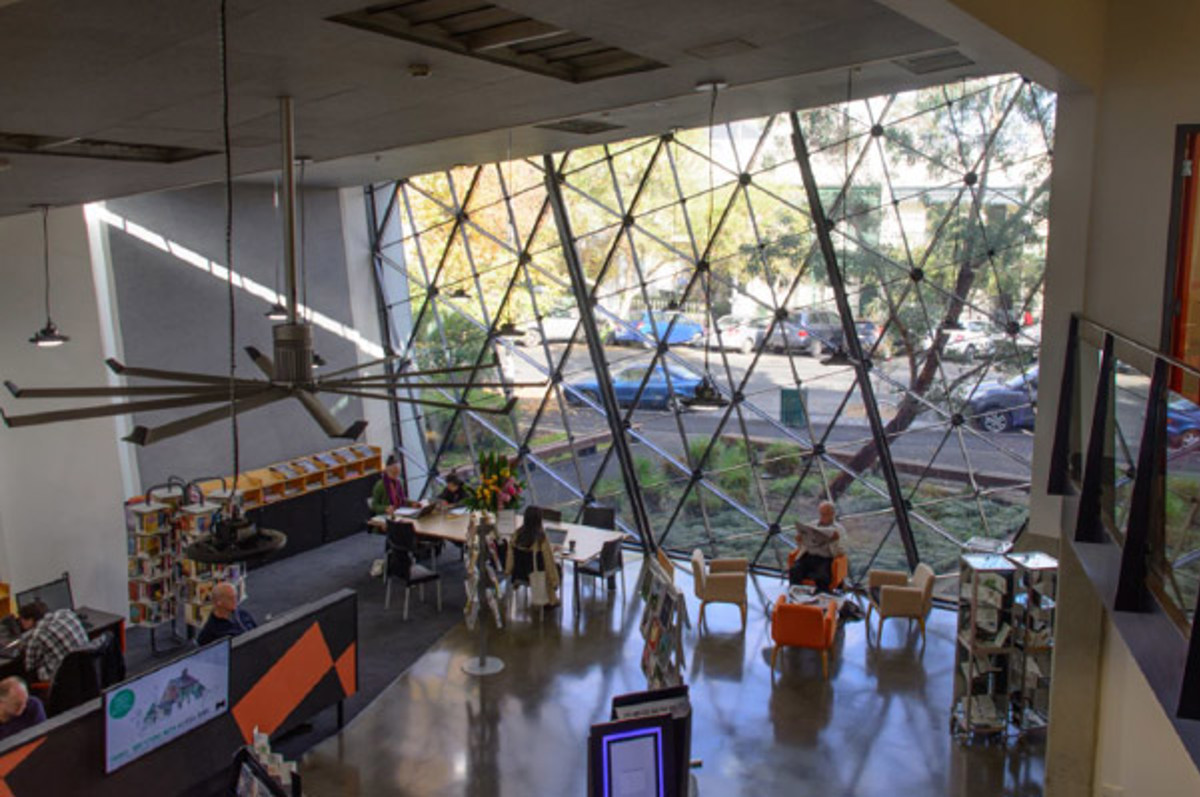
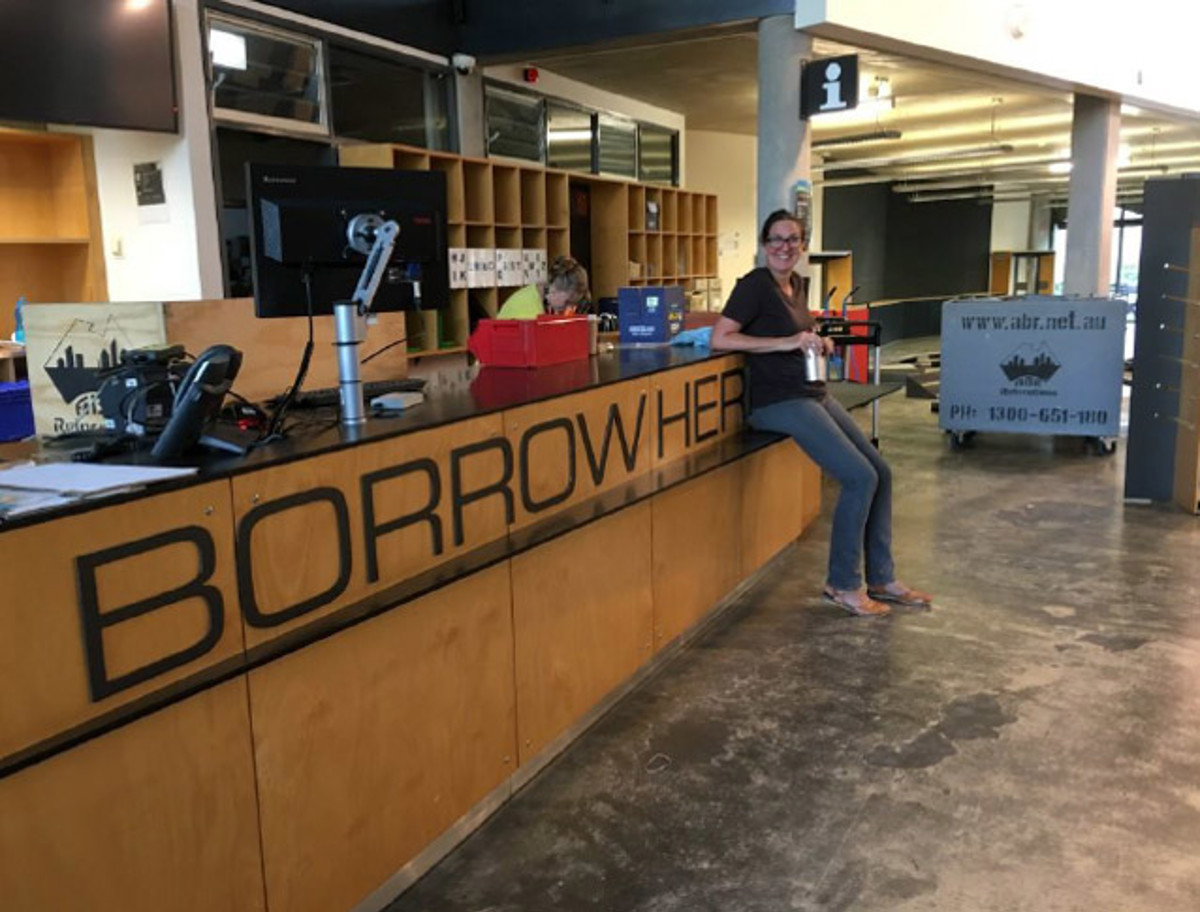
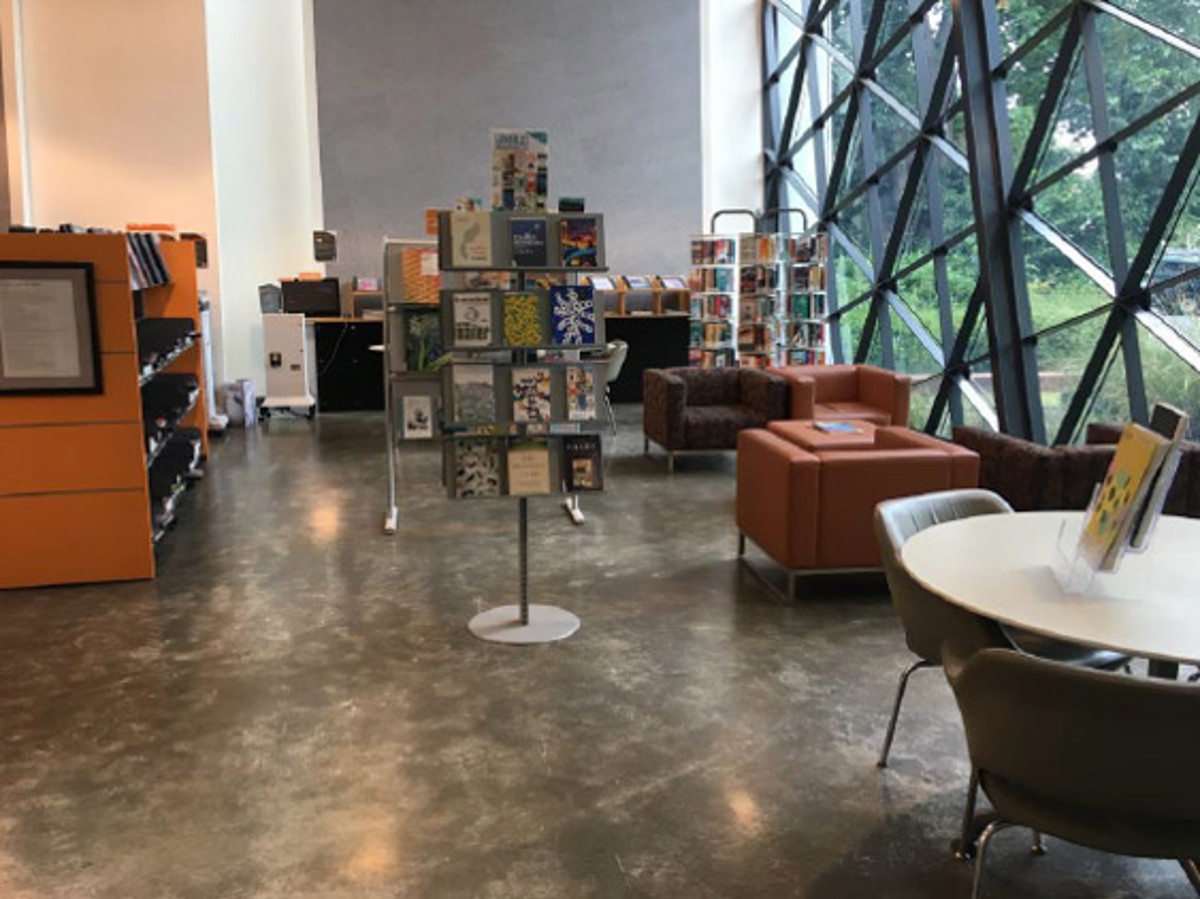
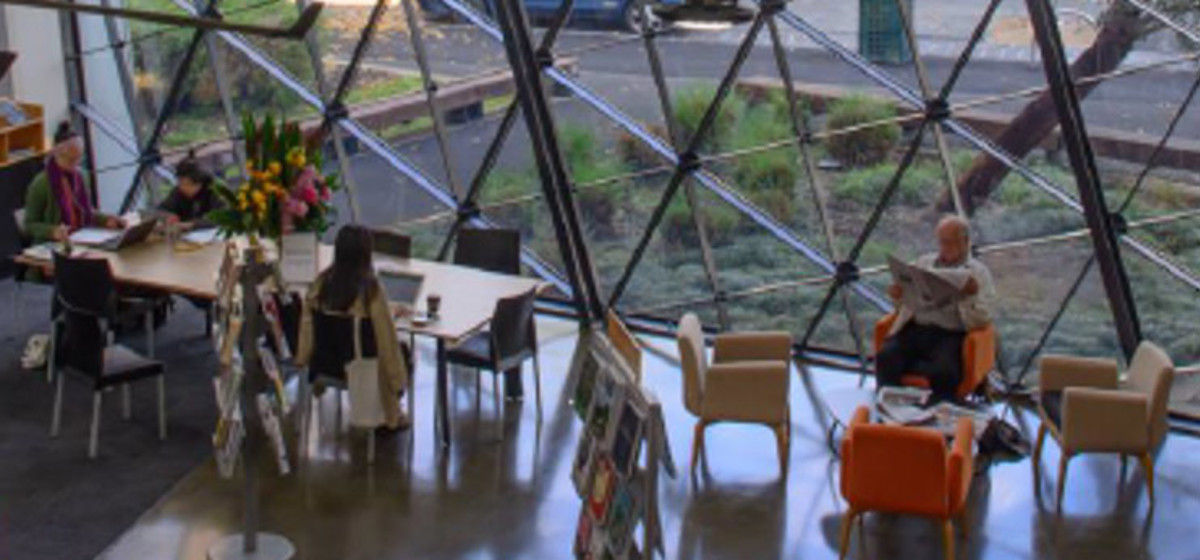
A key finding was that the layout did not accommodate the different ways people wanted to use the library. People who wanted to study and people who wanted to chat had to share the same cramped space - making everyone uncomfortable. Other observations revealed that the layout didn't make browsing easy, and that clutter and large information desks were creating formidable barriers, making it hard for staff to interact with customers and making the whole library appear uninviting. The before/after pairs below show how each observation translated into a refurbishment decision.
First impression on entering the building
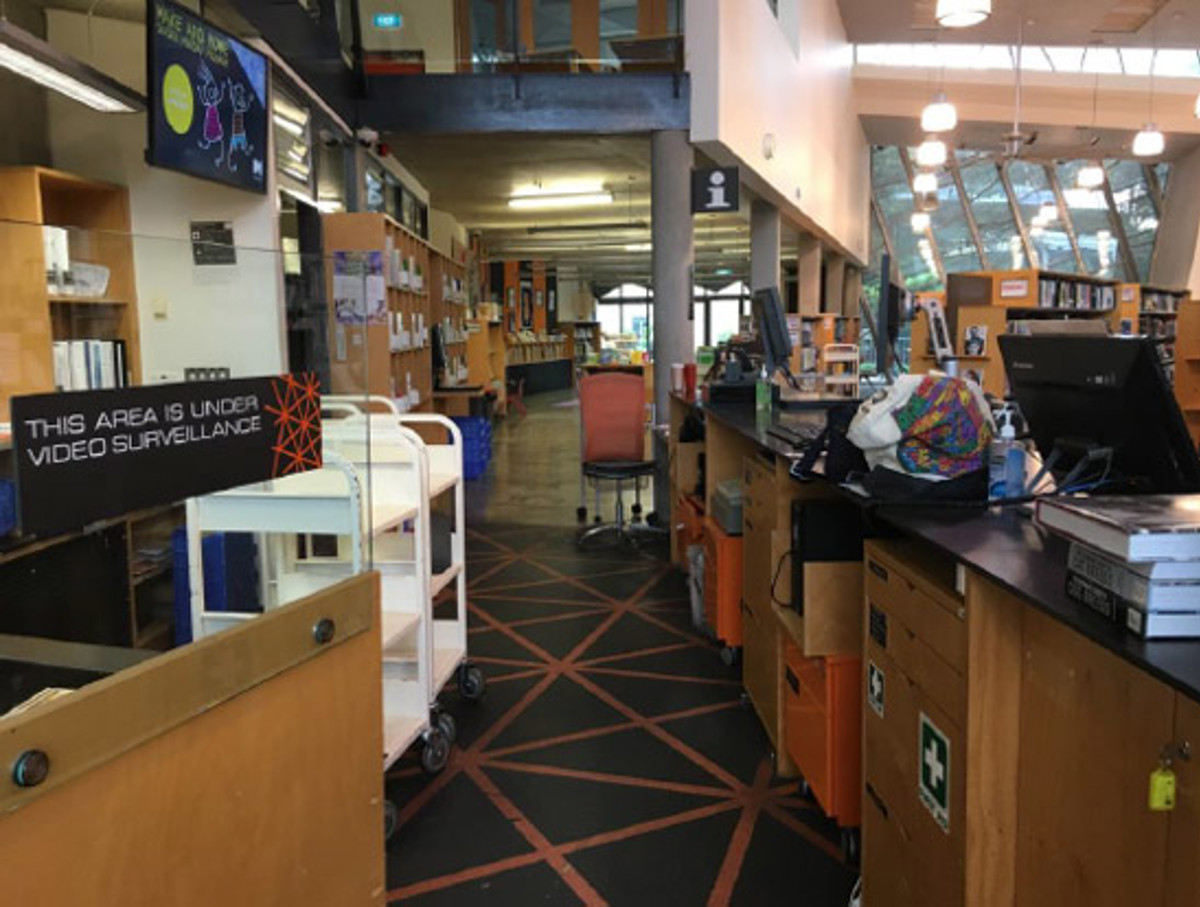
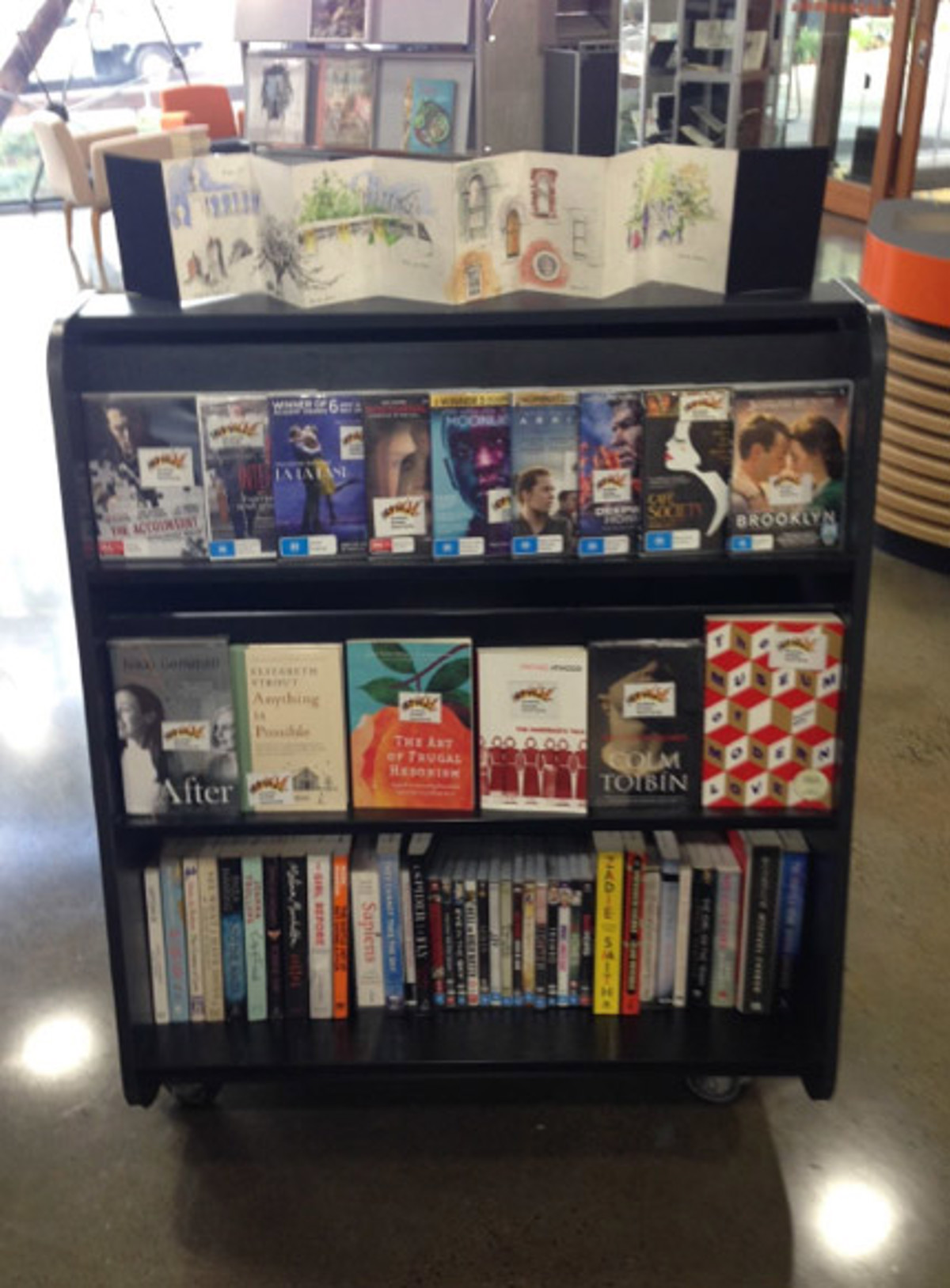
The new entry layout also opened up room for prominent display in high-traffic areas - including the library's quick-choice display, sited where readers actually pass through.
The service model - desk to pods
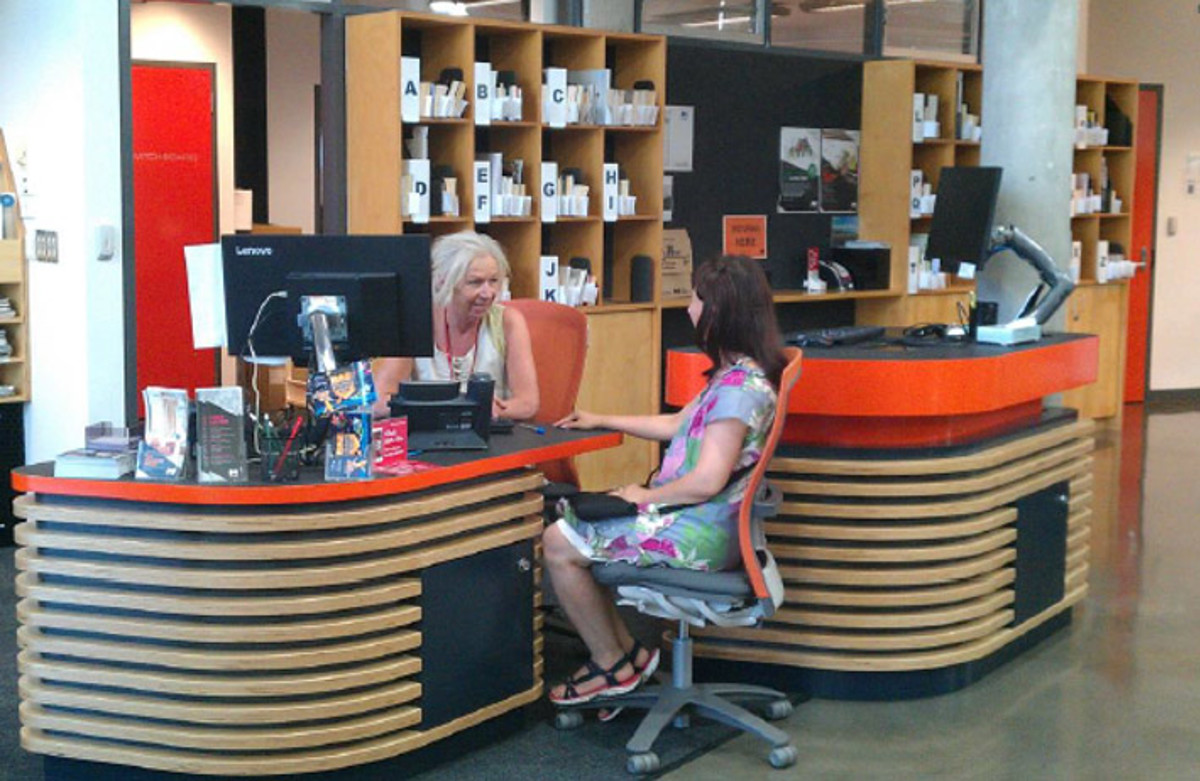
Seating - separating the activities
03 Bringing the findings to the design team
The structured findings changed the conversation with the architects. Linda came to the design team with a refined document with clear objectives - and, just as importantly, with a staff team who were fully invested in the project and passionate about its outcomes.
When it came time to meet with the design team, not only did we have a refined document with clear objectives for them to start with, I had a team of staff who were fully invested and even passionate about the project. Everyone in the group felt that they had weight and the architects knew clearly what our issues were and what we were trying to achieve with the refurbishment.
04 Outcomes after the refurbishment
Once the refurbishment was complete, Linda found that work-flow routines needed to be changed to fit with the new layout, and that some of the signage needed a rethink. Real spaces don't always do exactly what plans predict - adjustments after opening were part of the work.
But the response made the project worth it: customers reacted with huge praise for the new layout, and with appreciation for the staff, who are now much more available to chat. Loans from magazines and reader-centred displays have increased - measurable evidence that the customer-view findings translated into changed reader behaviour.