
 GBP £
GBP £
 USD $
USD $
 CAD $
CAD $
I found the whole course really enjoyable and interesting. It was clearly laid out, informative and helpful and it was easy to upload my files and photos. I now have a better understanding of UX and sharing this with my team has been enjoyable and enabled us all to benefit from increased knowledge. The whole team have really come together on this and we all said how much we enjoyed it and how interesting it has been to undertake the work. Taking your comments and our findings, we have put together a report to share with our Leadership team. One success already: the book display is in a much better position now and we are seeing much more interaction with the display and the books being handled and borrowed. We are all so glad we moved it!
- College libraries
- Personal mentor
- Advanced
Observation research
Observing and recording anonymous student behaviours is a powerful way to gather objective evidence about how they are using your space and resources. This course introduces the basic methods with easy exercises to build your experience plus an opportunity to design your own observation. Use these techniques to get beyond a familiar workspace and staff assumptions to what your students actually see and do.
Your Mentor will give detailed feedback and support on your three tasks. Their role is to use their experience to stretch your thinking and to help you adapt the course content to your own workplace and your role.
41 staff completed · 40 services
Learning outcomes
By the end of this course, you will be able to:
Identify research questions that observation can answer to improve the library experience for customers
Describe the key principles and limitations of observation research in library settings
Explain how physical factors such as display, layout and signage influence customer behaviour and choices
Recognise staff assumptions and perceptions that differ from observed customer behaviour
Apply structured observation methods to record customer age, gender, entry points and engagement with books and displays
Analyse observation data using spreadsheets and visual representations to identify patterns and insights
Plan and conduct your own focused observation project, selecting appropriate methods and recording tools
Evaluate the impact of changes made to library spaces and displays by comparing before-and-after observation results
Value the importance of seeing libraries from the customer perspective rather than relying on staff assumptions
Appreciate how small-scale observations with careful attention to detail can generate actionable insights for improving library services
01 Who uses your library?
- Data you already gather
- Using observation to supplement this
- Observation of age and gender
- Observation of visitor flow by time of day
- Sample size
- Planning and prep
- Recording your results
02 Observing book display
- Benchmark current practice
- How physical factors affect choice
- How can displays work harder
- Book display before and after changes
- Planning and prep
- Recording your results
03 Planning your own observation
- Which routes do visitors take through the library?
- Destination flow
- What is the average length of visit?
- Prepare for the unexpected
- Observing staff processes
- Plan your own observation
- Record your results
How long do I have to complete the course?
Do I get a certificate?
Can my whole team take it?
What format is the course in?
How accessible are the courses?
What learners say
We used to take great pride in our pretty book displays which combined a book theme with associated props, which were sometimes elaborate indeed! Despite using a variety of library stock, nothing was borrowed and the display remained pretty unused. We speculated that perhaps our displays were too pretty and that customers thought they were for show only. So we decided to remove the props and display the same themed items without the embellishments, just a snazzy looking sign and carefully selected tempting books. This shift in presentation resulted in about 70% of items being borrowed and before it would have been no more than 20%. We discovered that attractive library books advertise themselves and that we only needed to provide a face-out display to showcase them.
I changed my face-out display this week to a bigger range of returned books and carefully arranged them on the shelves to have maximum impact for each cover. The result? Loans more than doubled. 50% ignored the display before the change, and only 25% ignored it after the change. Before, 7.5% of customers walking past took from it, and after the change, 17.5% of customers took from it. I have more: before the change, 15% of people who noticed the display took something from it. After the change, 23% of people who noticed the display took something from it.

Other college library training courses
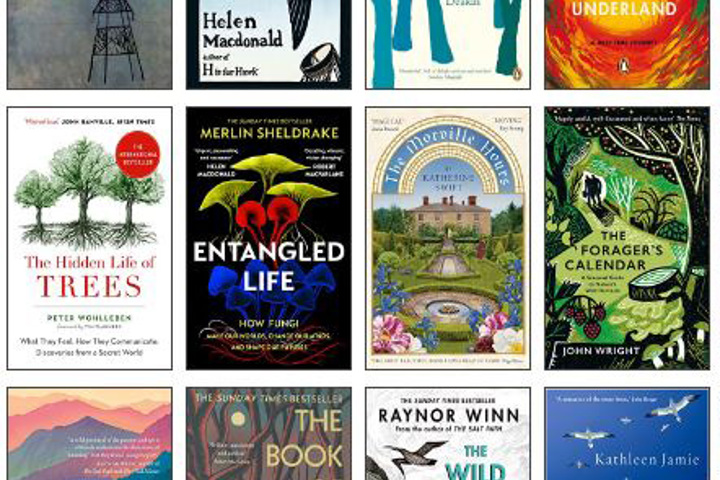
Creating themed collections
A versatile toolkit for digital promotions, engaging library displays and confident reader recommendations.
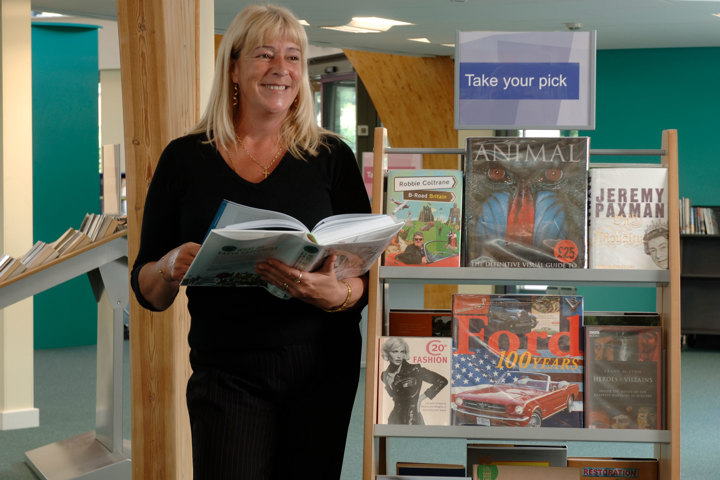
Playing your part in the library welcome
A fast, practical and enjoyable course in active customer-care skills, specific to libraries.
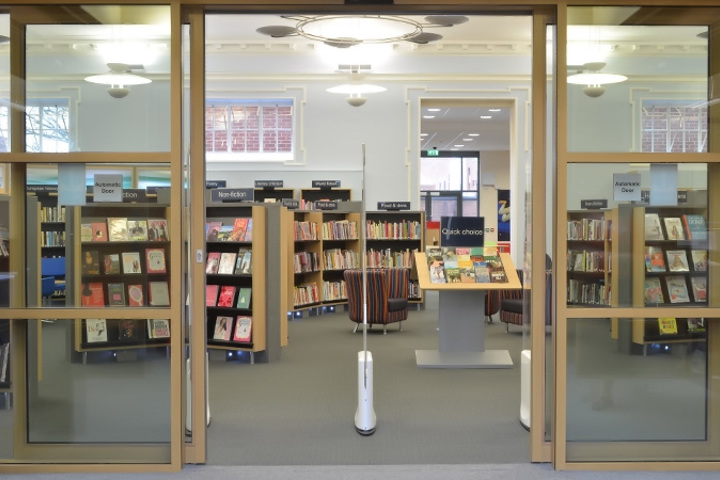
Managing first impressions
Learn to see through your students’ eyes and take practical steps to improve your most important spaces.