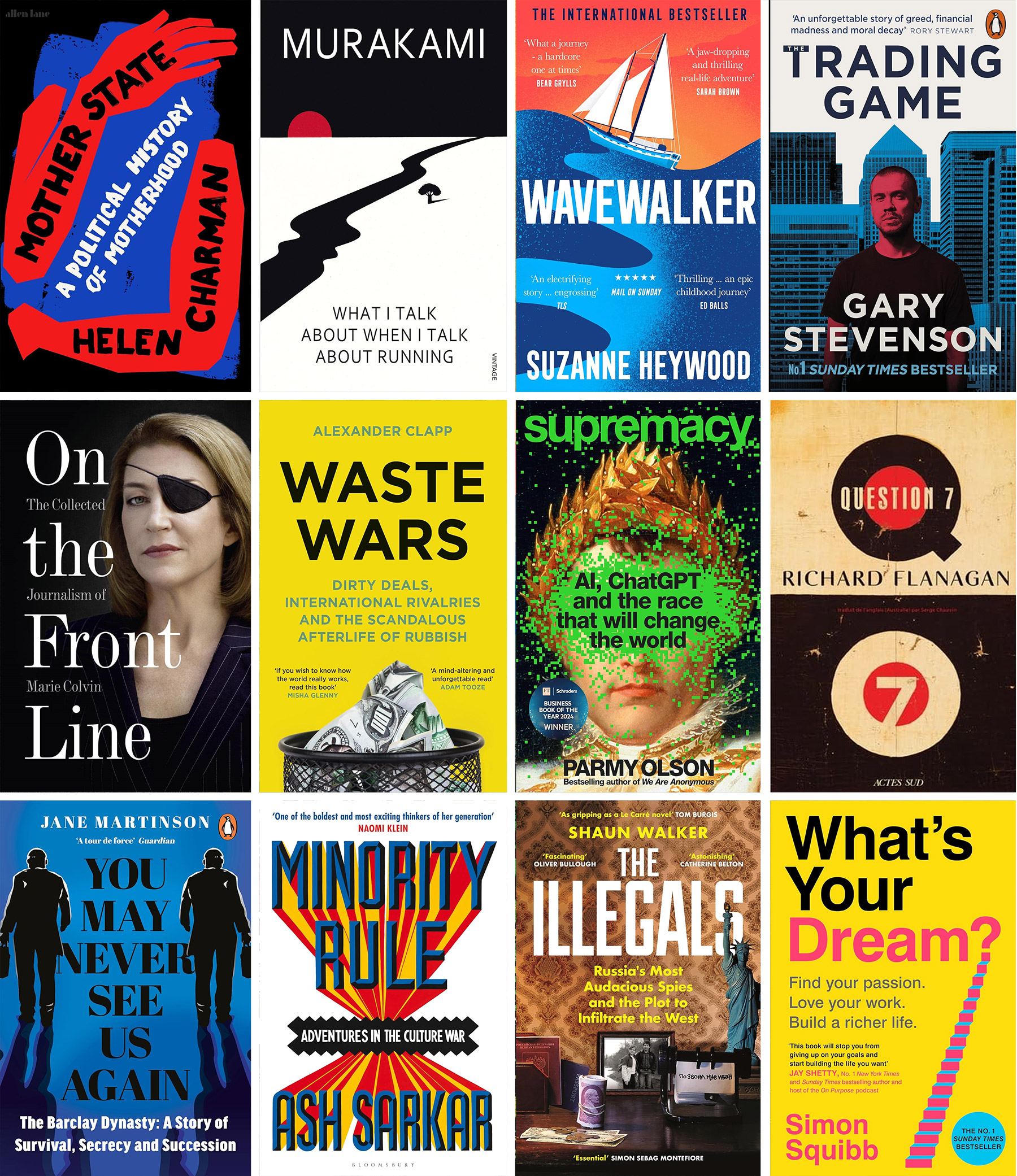
Identifying a unifying idea to create a collection starts with thinking about what readers want, the experiences they are looking for in books. You will develop skills in identifying these to make strong links between diverse titles. You will use a central concept to gather titles together that have similar appeal, but that would not normally be found together on the shelves, or in a standard promotion. These capsule collections will be useful in your digital promotions, as flexible physical promotions in the library and as a resource for reader recommendations.
Module One will teach you how to create collections which start from a topic and develop intriguing connections that widen a subject. Module Two takes a visual approach to identifying reader appeal in cover design and shows you how to create imaginative collections which bring similar reading experiences together to offer the reader something tempting.
Your Mentor will give detailed feedback on your ideas and title selection. Their role is to use their expertise to stretch your thinking and to help you create exciting collections. They will support you to develop new skills and book knowledge that you can use time and time again.
This course has made me challenge my thinking on traditional stock promotion. I am now planning displays in a different way to try and engage with a more diverse audience.
Annette Mircic North Yorkshire Libraries UK
I really benefitted from the 'building in range' part. Usually when I create a display at work it's a narrow theme. I keep a calendar of promotional days, holidays and author birthdays for displays but I usually only have a topical social media post in mind. This course and my mentor have taught me to think outside the box and curate a rich collection of books. It doesn't have to be all one author for their birthday, for example, I can look for books about them, or authors inspired by them and authors similar to them. I also appreciate the tips right at the end here about asking your staff to add a book they think fits in the display so that the display keeps being replenished. I used to hate being asked for recommendations as I only read one genre myself at the time - having a display that I might not have read much from but understood would have really helped.
Rachel Leahy, Cork County Council
The tasks were interesting and cleverly designed to encourage you to think latitudinally, looking at different options and considering the development of the reader. The course introduced new ideas gradually and gave you opportunities to apply them practically. My mentor offered timely and clear advice, giving me areas to think about without spoon-feeding the ‘correct’ answers.
Robin Crawshaw Lancashire Libraries UK
I found the input of my mentor really useful, partly because I have not completed this 'type' of training for many years, it was interactive and autonomous, very different from the usual.
Caroline Holdsworth Calderdale Libraries UK
I found the encouragement to mix fiction and non-fiction within themed displays very useful. I had always felt I should keep them separate to avoid confusion but it broadens the scope of what a collection can offer and expands the appeal to help readers discover new genres. I have developed confidence to look beyond the usual book display and think about the readers I want to appeal to, and the mood and tone of what is being chosen for the collection. The mentor relationship encouraged me to pause and think more deeply about the tasks and the feedback was valuable - either by confirming I was on the right track or by highlighting something I'd overlooked or not considered.
Laoise Cronin Cork County Council
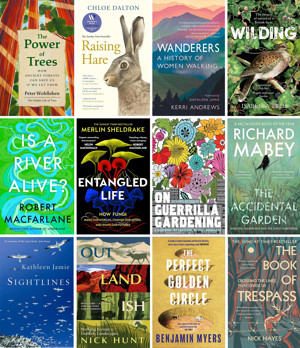
| Why themes? | |
| How readers choose | |
| Differentiating the non-fiction readership | |
| Changing perceptions | |
| Understanding narrative non-fiction | |
| Avoiding the subject | |
| Creating a concept | |
| Choosing a new theme | |
| Naming your themed collection | |
| Task One: Ideas for your own themed collection | |
| Discussion with your Mentor | |
| Preparing for Task Two: Selecting your books | |
| Building in range | |
| Reflecting diversity | |
| Including stretch and surprise | |
| Task Two: Create a collection for your chosen theme | |
| Discussion with your Mentor | |
| Using a themed collection in the library | |
| Using a themed collection online |
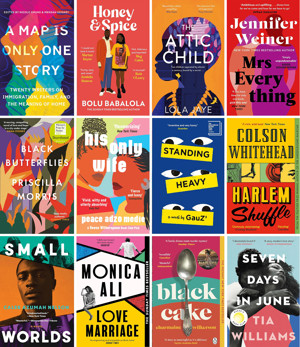
| Why use book covers? | |
| Take a look at book cover trends | |
| Check out your own visual preferences | |
| Decoding visual clues | |
| Covers for classics | |
| Identifying a reading experience | |
| Opening up a genre | |
| Looking for visual connections – figures and faces | |
| Targeting a reading audience | |
| Finding inspiration for a unifying idea | |
| Task Three: Suggest a concept for your own cover design collection | |
| Discussion with your Mentor | |
| Selecting books for your collection | |
| Tightening your audience focus | |
| Introducing diversity | |
| Adding outliers | |
| Task Four: Create a collection starting from cover designs | |
| Discuss your collection with your Mentor | |
| Using collections for reader recommendations | |
| Using capsule collections as part of your promotional strategy | |
| Learning review | |
| More Opening the Book courses |
 Prices displayed in GBP